
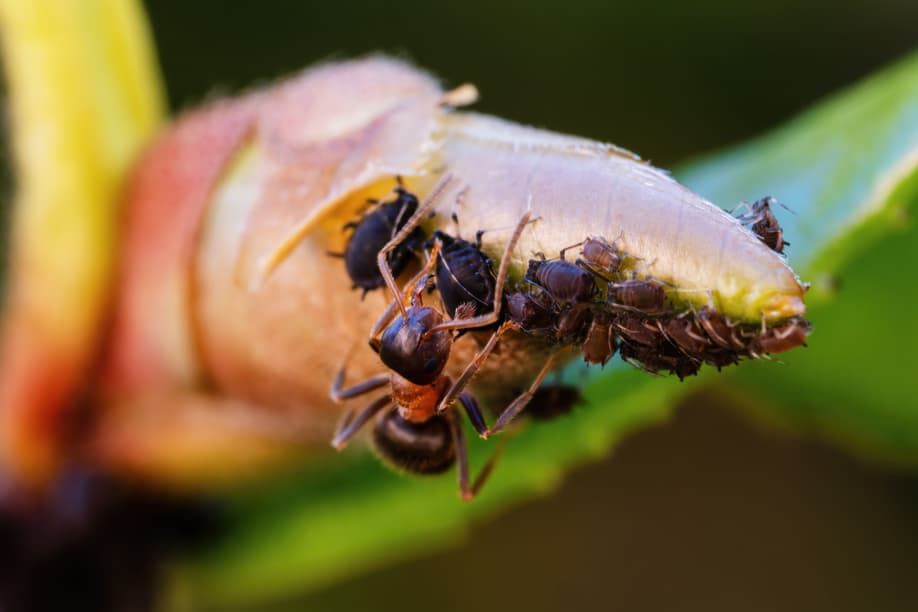
Indoor plant pests are among the most frustrating Common Indoor Plant Problems because they can spread rapidly from one houseplant to another if left untreated. These tiny insects feed on leaves, stems, roots, or plant sap, weakening your plants and making them more susceptible to diseases and poor growth.
The good news is that most indoor plant pests can be successfully controlled when detected early. Regular inspections and proper plant care are the best defenses against infestations.
What Are Indoor Plant Pests?
Indoor plant pests are small insects, mites, or other organisms that live on or around houseplants and feed on their leaves, stems, roots, flowers, or sap. As they feed, they weaken plants, reduce growth, cause leaf damage, and make plants more vulnerable to diseases. If left untreated, these pests can spread quickly from one indoor plant to another, leading to widespread infestations.
Common indoor plant pests include fungus gnats, spider mites, mealybugs, scale insects, aphids, thrips, whiteflies, and broad mites. Each pest causes different symptoms, such as yellowing leaves, sticky residue (honeydew), fine webbing, white cotton-like clusters, distorted new growth, or tiny insects crawling or flying around the plant.
Signs Your Indoor Plants May Have Pests
Inspect your plants at least once a week, paying close attention to the undersides of leaves, stems, growing tips, and the soil surface.
Watch for signs such as:
• Tiny insects crawling or flying around the plant
• Sticky residue (honeydew) on leaves
• Fine webbing between stems and leaves
• Yellow, curled, or distorted foliage
• Brown or black spots
• Small holes in leaves
• White cotton-like clusters
• Slower-than-normal growth
• Premature leaf drop
The earlier you identify an infestation, the easier it is to stop pests from spreading throughout your indoor plant collection.
Updated Indoor Plant Pest Identification Guide
| Pest Names | Common Signs | Primary Location |
| Fungus Gnats | Tiny black flies around the soil | Potting Soil |
| Spider Mites | Fine webbing and yellow speckles | Undersides of Leaves |
| Mealybugs | White cotton-like clusters | Leaf Joints and Stems |
| Scale Insects | Brown shell-like bumps | Stems and Leaf Undersides |
| Aphids | Clusters of soft-bodied insects | New Shoots |
| Thrips | Silvery streaks and black specks | Young Leaves and Flowers |
| White Flies | Tiny white insects flying from leaves | Undersides of Leaves |
| Broad Mites | Twisted New Growth | Growing Tips and Young Leaves |
8 Most Common Indoor Plant Pests
Below are the 8 most common indoor plant pests that affect houseplants, including their symptoms, causes, and effective treatment methods.
1. Fungus Gnats
Fungus gnats are one of the most common pests found on indoor plants. These tiny black flying insects are often mistaken for fruit flies because of their similar appearance. While adult fungus gnats are mostly harmless, their larvae live in damp potting soil and feed on fungi, decaying organic matter, and tender plant roots.
Young seedlings and recently propagated plants are especially vulnerable because their delicate root systems can be damaged by feeding larvae.
Common Causes – Fungus gnats thrive in consistently moist growing conditions.
They are commonly caused by:
• Overwatering
• Poor drainage
• Constantly wet potting soil
• Organic debris on the soil surface
• Poor air circulation
• Old or compacted potting mix
Signs of Fungus Gnats – You may notice:
- Tiny black flies hovering around the soil or pot
- Small insects flying when the pot is disturbed
- Clear or white larvae with black heads in the soil
- Constantly damp potting mix
- Slow plant growth
- Weak seedlings
- Root damage in severe infestations
How to Get Rid of Fungus Gnats
Eliminating fungus gnats requires breaking their life cycle by following these steps:
• Allow the top 1–2 inches (2.5–5 cm) of soil to dry before watering again.
• Remove fallen leaves and decaying organic matter from the soil surface.
• Place yellow sticky traps near the plant to capture adult gnats.
• Improve drainage by ensuring the pot has drainage holes.
• Replace heavily infested potting soil with fresh, well-draining mix if necessary.
• Reduce watering frequency until the infestation is under control.
Adult gnats usually disappear within a few weeks once the larvae no longer have moist soil in which to develop.
Prevention Tips
The easiest way to prevent fungus gnats is to avoid creating the damp conditions they prefer. And To reduce the risk of future infestations:
• Water only when the top layer of soil feels dry.
• Always use containers with drainage holes.
• Empty saucers after watering.
• Remove dead leaves and flowers promptly.
• Use a high-quality, well-draining indoor potting mix.
• Inspect new plants before placing them with your existing collection.
If you share your home with pets, always inspect new plants for pests before bringing them indoors. You should also choose species that are safe for animals. Read our guide on 12 Types of Indoor Plants That Are Pet-Friendly (Safe for Cats & Dogs) to find the best non-toxic houseplants for your home.
Example:
A Peace Lily watered every two or three days may develop dozens of tiny black flies hovering around the pot. Allowing the soil to dry slightly between waterings, cleaning away organic debris, and placing yellow sticky traps nearby usually reduces the population within a few weeks.
2. Spider Mites
Spider mites are among the most destructive pests affecting indoor plants. Although they are related to spiders rather than insects, they are so tiny that they often go unnoticed until they have caused significant damage.
These sap-sucking pests thrive in warm, dry indoor environments and reproduce rapidly, especially during winter when indoor heating reduces humidity. Left untreated, spider mites can weaken a plant by feeding on its leaves and reducing its ability to photosynthesize.
Common Causes
Spider mites are more likely to appear when growing conditions are dry and stressful. And Common causes include:
• Low indoor humidity
• Warm temperatures
• Dry air from heating systems
• Poor plant health
• Infrequent leaf cleaning
• Bringing home infested plants
Signs of Spider Mites
Early detection is essential because spider mites multiply quickly. Look for these symptoms:
• Tiny yellow, white, or pale speckles on leaves
• Fine silky webbing between leaves and stems
• Leaves turning dull, bronze, or gray
• Dry or curled foliage
• Premature leaf drop
• Tiny moving dots on the undersides of leaves
Spider mites usually begin feeding underneath the leaves, so inspect these areas carefully during your weekly plant check.
How to Get Rid of Spider Mites
If you discover spider mites, act quickly to prevent them from spreading.
• Isolate the affected plant from your other houseplants.
• Rinse the leaves thoroughly with lukewarm water to remove as many mites as possible.
• Wipe both sides of the leaves gently with a soft, damp microfiber cloth.
• Increase humidity around the plant, as spider mites dislike moist conditions.
• Continue inspecting and cleaning the plant every few days until no new signs of infestation appear.
• Remove heavily damaged leaves to reduce the mite population and encourage healthy new growth.
Persistence is important because spider mites reproduce quickly, and eggs may hatch after the initial treatment.
Prevention Tips – Reduce the risk of spider mite infestations by:
• Maintaining moderate humidity around tropical plants.
• Wiping leaves regularly to remove dust.
• Inspecting new plants before introducing them indoors.
• Keeping plants healthy with proper watering and lighting.
• Checking the undersides of leaves during routine inspections.
Example:
A Parlor Palm growing near a heating vent during winter may develop fine webbing and tiny yellow speckles on its leaves. Increasing humidity, cleaning the foliage regularly, and isolating the plant often stop the infestation before it spreads to nearby plants.
To eliminate spider mites, isolate the affected plant, rinse the leaves with lukewarm water, wipe both sides of the leaves clean, increase humidity, and inspect the plant regularly until no new signs of infestation appear.
3. Mealybugs
Mealybugs are soft-bodied, sap-sucking insects that commonly attack indoor plants. They are easy to recognize because they appear as small white, cotton-like clusters on stems, leaves, and leaf joints.
As they feed, mealybugs weaken plants by removing nutrients from the sap. If left untreated, they can slow growth, deform new leaves, and spread rapidly to nearby houseplants.
Common Causes
Mealybugs often enter your home on newly purchased plants and thrive in warm indoor environments. They are commonly associated with:
• Bringing home infested plants
• Poor air circulation
• Overcrowded plant collections
• Weak or stressed plants
• Lack of routine plant inspections
Signs of Mealybugs – Look for these common symptoms:
• White cotton-like masses on stems and leaf joints
• Sticky leaves caused by honeydew
• Yellowing foliage
• Weak or distorted new growth
• Slow plant growth
• Leaves dropping prematurely
• Black sooty mold developing on sticky residue
Inspect hidden areas such as leaf axils, stem joints, and the undersides of leaves, where mealybugs often gather.
How to Remove Mealybugs – Treat infestations as soon as they are discovered.
• Isolate the affected plant to prevent the pests from spreading.
• Remove visible mealybugs using a cotton swab lightly moistened with isopropyl alcohol.
• Carefully wipe affected stems, leaves, and leaf joints.
• Remove heavily infested leaves if necessary.
• Continue inspecting the plant weekly and repeat treatment until all signs of infestation disappear.
Because mealybugs often hide in difficult-to-see areas, thorough inspection is essential.
Prevention Tips – Keep your indoor plants free from mealybugs by following these practices:
• Quarantine new plants for two to three weeks before placing them with your existing collection.
• Inspect plants regularly, especially new growth.
• Keep leaves clean and free of dust.
• Avoid overcrowding plants.
• Remove dead leaves and debris promptly.
• Maintain healthy growing conditions to reduce plant stress.
Example:
A Jade Plant purchased from a garden center may appear healthy at first but develop white cottony clusters around its leaf joints a few weeks later. Isolating the plant, removing the visible mealybugs, and monitoring it weekly usually prevents the infestation from spreading to nearby houseplants.
4. Scale Insects
Scale insects are among the most challenging indoor plant pests because they often go unnoticed until the infestation is well established. Unlike aphids or spider mites, scale insects attach themselves firmly to stems, branches, and the undersides of leaves, where they feed on the plant’s sap.
Their hard, shell-like covering protects them from many treatments, making early detection especially important.
Common Causes:
Scale insects often appear when plants are stressed or when infested plants are introduced into your home, and they commonly cause the followings:
• Bringing home an infested plant
• Poor air circulation
• Overcrowded plant collections
• Weak or stressed plants
• Lack of routine plant inspections
• Signs of Scale Insects
Inspect your plants carefully for these symptoms:
• Small brown, tan, or oval bumps attached to stems and leaves
• Sticky residue (honeydew) on leaves or nearby surfaces
• Yellowing leaves
• Slow or stunted growth
• Premature leaf drop
• Black sooty mold growing on sticky honeydew
• Weak, unhealthy-looking plants
Unlike many pests, scale insects remain attached to the plant and rarely move once they begin feeding.
How to Get Rid of Scale Insects
Because their protective covering makes them difficult to remove, treatment requires patience.
• Isolate the affected plant to prevent the infestation from spreading.
• Gently scrape off visible scale insects using your fingernail, a soft cloth, or a soft toothbrush.
• Wipe the stems and leaves thoroughly to remove any remaining insects.
• Prune heavily infested stems if necessary.
• Continue inspecting the plant every week and remove any newly appearing scale insects before they multiply.
Repeated inspections are essential because young scale insects (called crawlers) can spread before attaching themselves permanently.
Prevention Tips – Reduce the risk of scale infestations by:
• Inspecting new plants before bringing them indoors.
• Quarantining new houseplants for two to three weeks.
• Cleaning leaves regularly.
• Providing proper light and watering to reduce plant stress.
• Checking stems and leaf joints during weekly inspections.
Example:
A Rubber Plant purchased from a local nursery may appear healthy at first but later develop small brown bumps along its stems. Removing the insects manually and monitoring the plant closely each week usually prevents the infestation from spreading to nearby plants.
5. Aphids
Aphids are tiny, soft-bodied insects that feed on the sap of indoor plants, especially tender new leaves and young stems. They reproduce quickly, allowing small infestations to become widespread in a short period if left untreated.
Although aphids are small, they can weaken plants by draining nutrients and causing distorted new growth.
Common Causes – Aphids may appear indoors due to:
• Newly purchased infested plants
• Open windows or doors during warm weather
• Excessive nitrogen fertilizer encouraging soft new growth
• Overcrowded plants
• Weak or stressed houseplants
Signs of Aphids – Aphids are usually easy to identify because they gather in large groups. Look for:
• Small green, black, brown, yellow, or white insects
• Clusters of insects on young stems and new leaves
• Curled or distorted leaves
• Twisted new shoots
• Sticky honeydew on leaves
• Slow or weakened plant growth
• Black sooty mold growing on honeydew
Young shoots are the first places aphids usually attack.
How to Get Rid of Aphids – Treat aphids promptly before they spread to nearby plants.
• Isolate the affected plant.
• Spray the foliage with a gentle stream of lukewarm water to dislodge the insects.
• Wipe heavily infested leaves and stems with a soft, damp cloth.
• Remove severely damaged leaves if necessary.
• Continue inspecting the plant every few days until no aphids remain.
Because aphids reproduce rapidly, regular follow-up inspections are essential.
Prevention Tips – Prevent aphid infestations by:
• Inspecting plants weekly.
• Quarantining newly purchased plants.
• Avoiding excessive fertilizer that promotes soft, attractive new growth.
• Keeping plants healthy through proper watering and lighting.
• Cleaning leaves regularly to make pest detection easier.
Example:
A Hibiscus growing near an open window during spring may suddenly develop clusters of tiny green insects on its flower buds and young leaves. Rinsing the plant thoroughly and monitoring it regularly usually controls the infestation before significant damage occurs.
6. Thrips
Thrips are tiny, slender insects that feed by puncturing plant cells and sucking out their contents. Although they are only about 1–2 mm long, thrips can cause significant damage to indoor plants by distorting new growth and leaving silvery scars on leaves.
Because they hide in flowers, leaf folds, and new shoots, thrips often go unnoticed until the infestation becomes severe.
Common Causes – Thrips are commonly introduced through:
• Newly purchased plants
• Fresh flowers brought indoors
• Open windows during warm weather
• Overcrowded plant collections
• Infrequent plant inspections
Signs of Thrips – Watch for these symptoms:
• Silvery or bronze streaks on leaves
• Tiny black specks (their droppings)
• Curled or distorted new leaves
• Brown patches on flowers
• Deformed buds
• Premature leaf drop
• Slow plant growth
Thrips are usually found on young leaves, flower buds, and tender stems.
How to Get Rid of Thrips – Treat infestations promptly to prevent widespread damage.
• Isolate the affected plant.
• Prune heavily damaged flowers and leaves.
• Rinse the entire plant with lukewarm water.
• Wipe both sides of the leaves with a soft cloth.
• Place blue or yellow sticky traps nearby to monitor adult thrips.
• Continue inspecting the plant every few days until no new damage appears.
Prevention Tips:
• Quarantine new plants before adding them to your collection.
• Remove faded flowers promptly.
• Keep leaves clean.
• Inspect new growth regularly.
• Maintain healthy growing conditions to reduce plant stress.
Example
A flowering Anthurium may develop silvery streaks and distorted blooms after a thrips infestation. Removing damaged flowers and monitoring the plant closely often prevents the pests from spreading.
7. Whiteflies
Whiteflies are tiny white insects that resemble miniature moths. They gather on the undersides of leaves and fly into the air when the plant is disturbed.
Like aphids and mealybugs, whiteflies feed on plant sap, weakening the plant over time.
Common Causes – Whiteflies often appear because of:
• Newly purchased infested plants
• Warm indoor temperatures
• Poor air circulation
• Overcrowded plants
• Lack of routine inspections
Signs of Whiteflies – Look for:
• Tiny white insects flying when the plant is touched
• Clusters of insects beneath leaves
• Sticky honeydew
• Yellowing foliage
• Curling leaves
• Slow growth
• Black sooty mold on leaves
How to Get Rid of Whiteflies:
• Isolate the affected plant.
• Gently shake the plant to expose flying adults.
• Rinse the foliage with lukewarm water.
• Wipe both sides of the leaves carefully.
• Place yellow sticky traps nearby to capture adult whiteflies.
• Inspect the plant weekly until no insects remain.
Prevention Tips:
• Inspect the undersides of leaves regularly.
• Quarantine new plants.
• Improve air circulation.
• Remove dead foliage promptly.
• Keep plants healthy with proper care.
Example:
A Hibiscus growing indoors may release dozens of tiny white insects when its leaves are disturbed. Regular cleaning and sticky traps often reduce the population before serious damage occurs.
8. Broad Mites
Broad mites are microscopic pests that are even smaller than spider mites. Although difficult to see without magnification, they can severely damage tender new growth by feeding on young leaves, buds, and stems.
Because they are nearly invisible, many gardeners mistake the damage for nutrient deficiencies or viral diseases.
Common Causes – Broad mites are often introduced through:
• Newly purchased plants
• Close contact between plants
• Warm, humid environments
• Contaminated gardening tools
Signs of Broad Mites – Common symptoms include:
• Twisted or distorted new leaves
• Thickened, brittle foliage
• Stunted plant growth
• Deformed flower buds
• Curled young shoots
• Poor overall vigor
Unlike spider mites, broad mites rarely produce visible webbing.
How to Get Rid of Broad Mites:
• Isolate the affected plant immediately.
• Remove severely damaged leaves and growing tips.
• Rinse the plant gently with lukewarm water.
• Clean leaves and stems carefully.
• Continue monitoring for new distorted growth over the following weeks.
Because broad mites are microscopic, identifying them often depends on recognizing the characteristic damage they cause.
Prevention Tips:
• Quarantine new plants.
• Avoid overcrowding.
• Maintain good air circulation.
• Keep pruning tools clean.
• Inspect tender new growth regularly.
Example:
An African Violet producing tightly curled, distorted new leaves may be suffering from a broad mite infestation rather than a nutrient deficiency. Early detection and prompt removal of affected growth can help protect the rest of the plant.
The Royal Horticultural Society (RHS) provides reliable, expert-backed gardening information, including practical advice on houseplant care, pest management, and creating healthy growing conditions.
Learn to identify and eliminate the hardest indoor plant pests like Thrips, Mealybugs, and Scale Insects to save your greenery.
Frequently Asked Questions (FAQs)
1. What are the most common indoor plant pests?
The most common indoor plant pests include fungus gnats, spider mites, mealybugs, scale insects, aphids, thrips, whiteflies, and broad mites. These pests feed on plant sap, leaves, roots, or stems and can spread quickly if not treated early.
2. How do I know if my indoor plant has pests?
Signs of an indoor plant pest infestation include yellowing leaves, sticky residue (honeydew), fine webbing, white cotton-like clusters, brown bumps, tiny flying insects, distorted new growth, and premature leaf drop. Inspect your plants weekly, especially the undersides of leaves and stems, for early detection.
3. Can indoor plant pests spread to other houseplants?
Yes. Most indoor plant pests spread rapidly from one plant to another through direct contact, contaminated pots, or flying insects. If you notice an infestation, isolate the affected plant immediately to protect the rest of your indoor plant collection.
4. What causes indoor plant pests?
Indoor plant pests are commonly caused by overwatering, poor air circulation, stressed plants, low humidity, overcrowding, and introducing infested plants into your home. Proper plant care significantly reduces the risk of infestations.
5. How can I get rid of indoor plant pests naturally?
Many indoor plant pests can be controlled naturally by isolating affected plants, rinsing leaves with lukewarm water, wiping foliage clean, removing heavily damaged leaves, using yellow or blue sticky traps, and improving watering and humidity practices. Early treatment is the most effective approach.
6. How often should I inspect my indoor plants for pests?
Inspect your indoor plants at least once a week. Check the undersides of leaves, stems, growing tips, and the soil surface for insects, webbing, sticky residue, or other signs of pest activity before infestations become severe.
7. Can overwatering attract indoor plant pests?
Yes. Overwatering is one of the leading causes of indoor plant pest problems, especially fungus gnats, because consistently damp soil provides ideal conditions for their larvae to develop. Allow the top layer of soil to dry before watering again whenever appropriate for your plant.
8. How can I prevent indoor plant pests in the future?
The best way to prevent indoor plant pests is to quarantine new plants, inspect them regularly, keep leaves clean, avoid overwatering, provide proper light and air circulation, remove dead foliage promptly, and maintain healthy growing conditions. Healthy plants are naturally more resistant to pest infestations.
Backed by university research, UF/IFAS Gardening Solutions publishes practical, evidence-based gardening advice to help gardeners successfully grow and maintain healthy indoor and outdoor plants.
In Conclusion
Indoor plant pests may seem overwhelming at first, but they can usually be managed successfully with early detection, proper care, and consistent monitoring. By learning to recognize the warning signs of fungus gnats, spider mites, mealybugs, scale insects, aphids, thrips, whiteflies, and broad mites, you can stop infestations before they cause serious damage to your houseplants.
Make it a habit to inspect your indoor plants every week, water them correctly, maintain good air circulation, and quarantine new plants before adding them to your collection. These simple preventive measures can save you time, protect your plants, and reduce the need for more intensive treatments.
If you found this guide helpful, be sure to explore our related resources, including Indoor Plant Care: The Complete Beginner’s Guide to Healthy Houseplants, and 21 Best Indoor Plants for Every Home. With the right knowledge and routine care, you can enjoy healthy, thriving indoor plants all year round.

About the Author: Emebu Blessing Oghale
Emebu Blessing Oghale is an expert SEO content writer, digital creator, and indoor gardening enthusiast based in Asaba, Nigeria. Combining horticultural principles with years of digital media experience, he founded Indoor Plant Guide to provide practical, beginner-friendly troubleshooting tips for plant parents across West Africa and beyond. When he isn’t cultivating tropical houseplants, he serves his local community as a pastor at Living Faith Church.


Hello Emebu,
Truth be told, this is a very helpful guide for indoor plant lovers! I’ve learned how important it is to identify pests early before they cause serious damage to my plants indoors. The practical tips for eliminating them naturally are especially useful.
I have a burgling question sir, which of these indoor plant pests is the most difficult to get rid of completely?
Hi Ghettochild, thanks for stopping by with a comment.
According research, Thrips, mealybugs, and scale insects are widely considered the most difficult indoor plant pests to get rid of completely. Among these, thrips take the top spot for many plant collectors because of their unique, highly destructive life cycle.